Sustainability: Converting to LED lighting can have a positive sustainable impact on our environment. By reducing electricity consumption we reduce our carbon footprint in the process.
Energy/O&M Savings: LED Lighting will save up to 80% of the lighting portion of your energy bill, and eliminate the purchase of replacement lamps and ballasts from your O&M budget. In terms of LED.
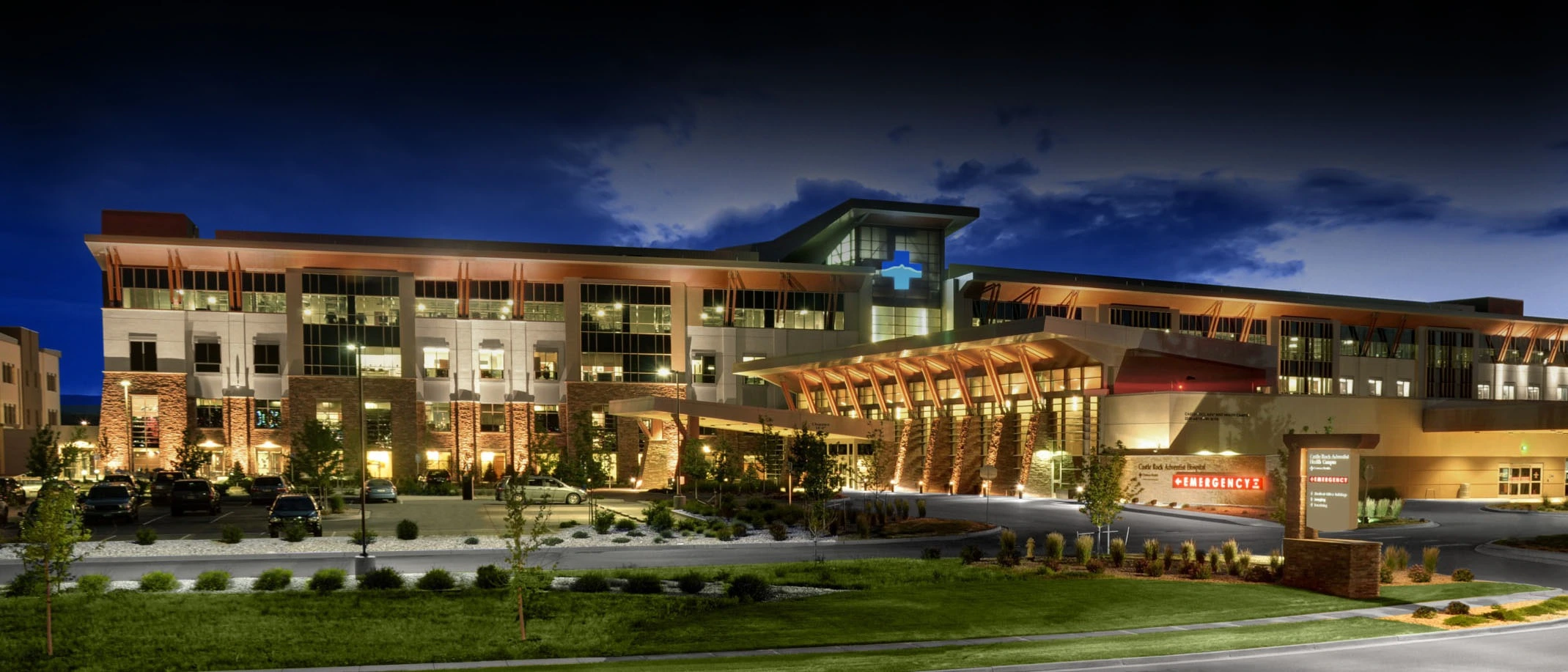
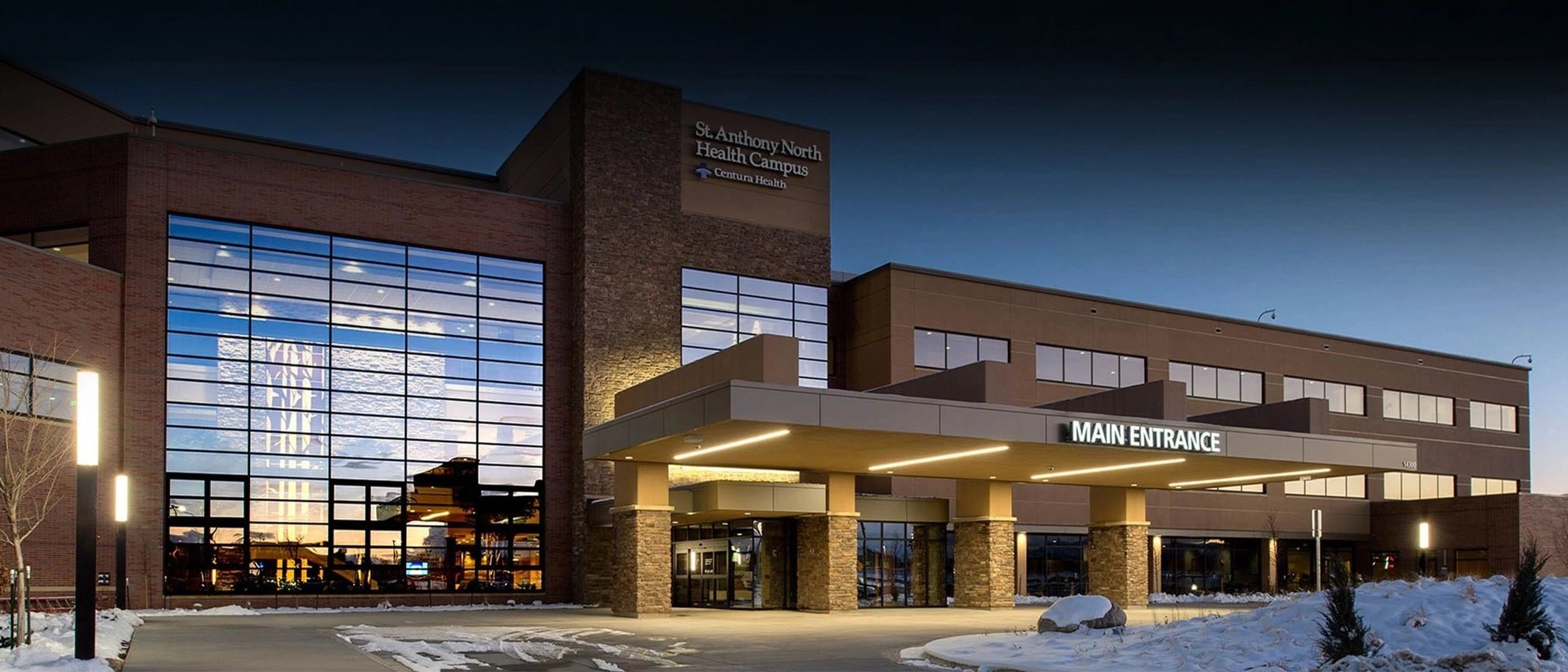
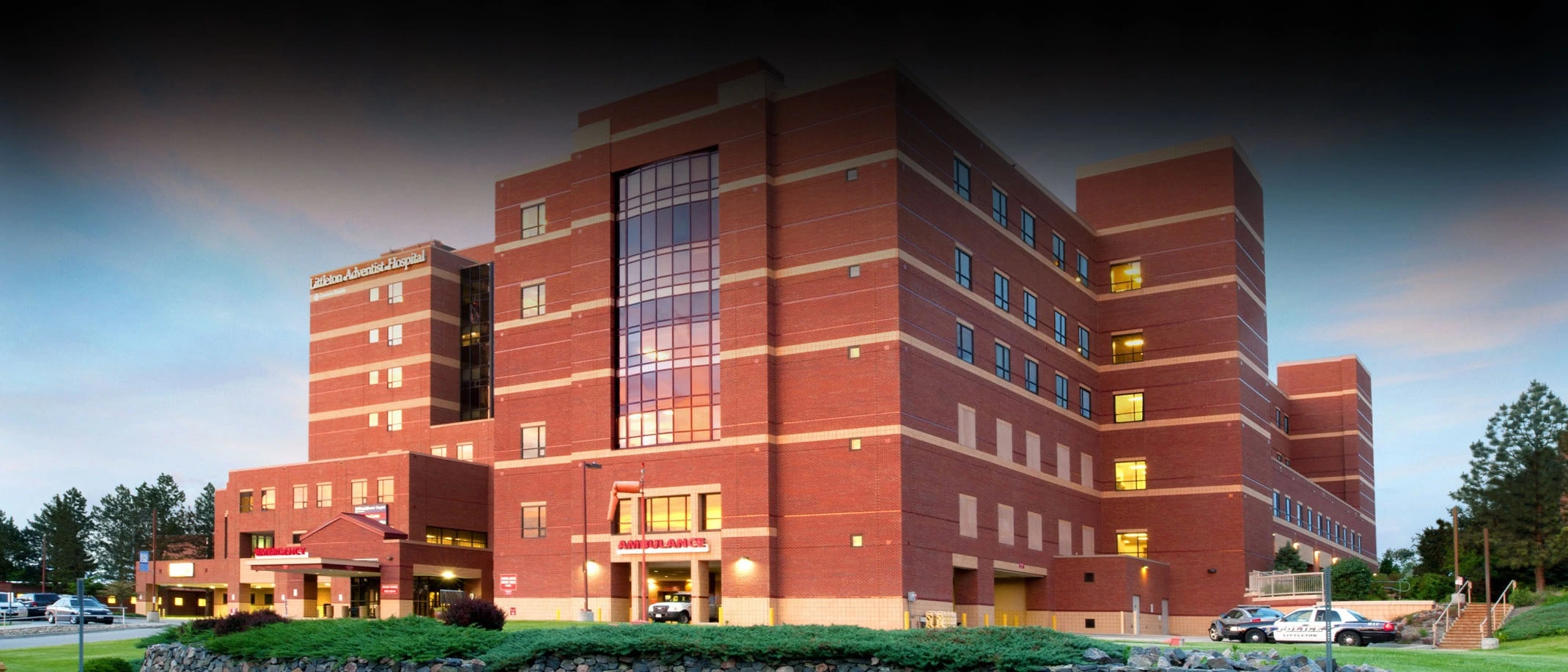
We have retrofitted more than 65,000,000 sqft. in properties ranging from individual office buildings and warehouses to entire hospital campuses.
We specialize in helping customers understand the substantial financial advantages of converting to energy-efficient LED lighting by applying our proprietary technology and software to conduct lighting audits, calculating financial savings analyses, researching energy conservation code requirements, perfecting project management and the installation process, maximizing utility company rebates, and integrating lighting systems with the Internet of Things (IoT).
LIGHTING SOLUTIONS
From start to finish we provide a turnkey LED lighting experience.
Lighting Audits
The decision about whether to undertake an LED lighting upgrade hinges on the projected energy, maintenance and environmental savings, and those projections rely on the accuracy of the audit of your existing lighting. We provide highly accurate and detailed lighting audits of even the most complicated facility using our proprietary mobile software.
LED Lighting
We look at an LED lighting upgrade as more than a capital expenditure or a construction project; it’s an important financial investment decision. If you are interested in working with one resource to analyze your facility, understand the financial impact of a lighting retrofit to your bottom line and property value, and install cutting edge LED lighting and advanced controls solutions, contact us today.
Controls & Smart Lighting
LED lighting results in energy and maintenance savings; adding advanced lighting controls like occupancy sensing, daylight harvesting, high-end trim and timers enhances those savings to the maximum degree possible, while also providing customization opportunities for occupant comfort.
IoT Integration
Whether incorporating sensors into new LED lighting fixtures or adding sensors to an existing lighting system, the data from smart sensors can inform and control your building automation system as well as smart systems for energy management, security, HVAC/environment, occupant access, BACnet devices and other cloud-enabled IoT applications.
100% Financing
If you’re reluctant to upgrade your lighting with CAPEX dollars, we offer several alternatives that can pay for 100% of a lighting upgrade and allow you to keep any available utility company rebate. We specialize in Property Assessed Clean Energy funding, and also offer a Lumens-As-A-Service contract (we’ll buy, install, own and maintain your lighting system) that can be paid for with OPEX dollars.
We’ve installed nearly 35,000 smart lighting fixtures and controls, allowing our customers to monitor and manage their lighting systems remotely, and our smart light sensors harvest valuable data to inform high-value IoT applications for asset tracking, space utilization, way-finding, conference room reservations and more.
Although every effort has been made to ensure that the posted material contained herein is accurate and complete, Next Step Energy Solutions does not guarantee the accuracy or completeness of any material contained herein. Next Step Energy Solutions specifically disclaims all warranties, expressed or implied, with respect to the use of this material or any results with respect thereto. The material contained in this web site shall in no way be construed to constitute a recommendation by Next Step Energy Solutions. The posted material may not reflect the most current developments and may also contain errors or omissions, for which we disclaim all liability. Utility company rebate estimates provided by Next Step Energy Solutions may vary from actual rebate amounts available from the respective utility company, the amount or availability of which is outside the control of Next Step Energy Solutions.
The material contained within this web site, other than that clearly identified as contributed by third parties or site users, is owned by Next Step Energy Solutions, and is protected by copyright, trademark and other proprietary rights.