

Understanding the psychological triggers that influence casino behavior
The Allure of Casinos
Casinos have long captivated individuals through an intricate blend of excitement and anticipation. The moment one enters a casino, they are met with bright lights, ringing machines, and the intoxicating scent of possibility. This environment is designed to heighten arousal, drawing players into a world where fortunes can change in an instant. The sights and sounds stimulate the senses, creating an atmosphere that encourages spending and prolonged engagement. Many top players often seek the best payid casinos for a seamless experience without the hassles of traditional banking.

Moreover, the architectural design of casinos plays a crucial role in influencing behavior. Many establishments lack windows and clocks, creating a timeless experience that encourages players to lose track of time. This strategic layout fosters a sense of urgency and excitement, pushing visitors to continue gambling in hopes of winning big. The thrill of uncertainty is a major psychological driver that keeps players returning, lured by the promise of a life-altering jackpot.
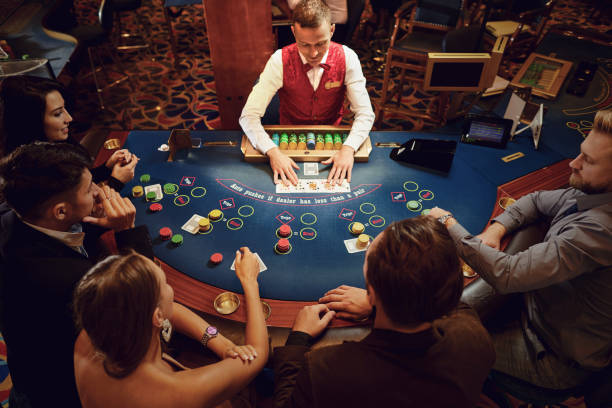
Additionally, social dynamics within casinos contribute to their allure. The communal atmosphere fosters a sense of belonging, where players cheer for each other’s victories and share in the collective excitement. This social reinforcement amplifies the thrill of the game, creating an environment where individuals may feel encouraged to take risks they otherwise wouldn’t. Understanding these elements helps explain why people are drawn to these entertainment hubs, often against their better judgment.
The Role of Reward Systems
At the heart of casino behavior lies the concept of reward systems, deeply rooted in behavioral psychology. When players win, even if it is a small amount, their brains release dopamine, a neurotransmitter associated with pleasure and reward. This biochemical reaction creates a sense of euphoria that reinforces the gambling behavior, making individuals more likely to return in hopes of replicating that feeling. Consequently, the anticipation of potential rewards can often outweigh the reality of losing.
The mechanics of slot machines are particularly interesting when exploring reward systems. They are designed to provide intermittent rewards, which are more enticing than predictable rewards. This unpredictability keeps players engaged, as they continuously hope for a significant win. The occasional big payout creates a cycle of behavior where players feel compelled to keep trying, reinforcing the addictive nature of gambling.
Moreover, many casinos implement loyalty programs that provide tangible rewards for continued play. These programs not only incentivize repeat visits but also create a sense of investment. When players accumulate points, they begin to feel a psychological attachment to the casino, making them less likely to abandon their investment. This interplay between reward systems and behavior highlights why many find it difficult to resist the siren call of the casino floor.
The Influence of Cognitive Biases
Cognitive biases play a significant role in shaping gambling behaviors and decisions in casinos. One of the most common biases is the illusion of control, where individuals believe they can influence the outcome of random events, such as dice rolls or card draws. This false perception can lead players to make riskier bets, as they feel a sense of mastery over their choices. Such beliefs can significantly skew their understanding of probabilities and contribute to compulsive gambling.
Another prevalent bias is the gambler’s fallacy, where individuals mistakenly believe that past events influence future outcomes in random games. For example, a player might think that a slot machine is “due” for a win after a series of losses. This belief can lead to prolonged play and increased bets, as players attempt to outsmart the odds. Understanding these cognitive biases is essential for recognizing the psychological traps that can ensnare even the most rational of individuals.
Furthermore, casinos often exploit these biases through marketing strategies and game design. By emphasizing stories of big wins and jackpot celebrations, casinos create an environment where players feel that winning is more common than it is. These narratives reinforce the belief that anyone can win, driving players to gamble more frequently and wager larger sums. By harnessing cognitive biases, casinos effectively manipulate perceptions and influence behavior, increasing their profitability.
The Role of Emotion in Gambling
Emotions are powerful motivators in gambling behavior, influencing decisions and the overall experience at casinos. Many individuals turn to gambling as a form of escape, seeking solace in the thrill of the game during moments of stress or sadness. This emotional release can create a cycle where individuals rely on gambling to cope with their feelings, further entrenching their behavior. Casinos often capitalize on this emotional need by providing an environment that promises excitement and distraction.
Additionally, the highs and lows of gambling create an emotional roller coaster that can be addictive. Winning can lead to elation and exhilaration, while losing may elicit feelings of disappointment or frustration. This combination keeps players engaged, as they chase the next win to recreate positive emotions. Over time, this emotional engagement can distort one’s perception of gambling as merely a fun activity, transforming it into a compulsive behavior that is difficult to break.
Moreover, the social aspect of gambling also plays into emotional factors. Celebrating wins with friends or commiserating losses creates bonds that can be emotionally rewarding. These social interactions can enhance the overall experience and encourage individuals to return to casinos, as they associate positive emotions with gambling. Recognizing the emotional dimensions of casino behavior sheds light on why many struggle to maintain a healthy relationship with gambling.
Elevate Your Experience with Knowledge
Understanding the psychological triggers that influence casino behavior is essential for anyone looking to engage in gambling responsibly. Whether you’re drawn by the allure of potential rewards, the emotional highs and lows, or the social dynamics of the casino floor, awareness of these factors can help you make informed choices. Our website offers resources and insights designed to guide you through the complexities of the gambling experience.
By providing detailed information on various casinos, including their psychological impacts and behavioral triggers, we empower players to navigate their gaming journey wisely. From recognizing cognitive biases to understanding the importance of emotional regulation, our platform aims to equip you with the tools needed for a more conscious gaming experience. You deserve to enjoy the thrill of the game while maintaining control over your choices.

